
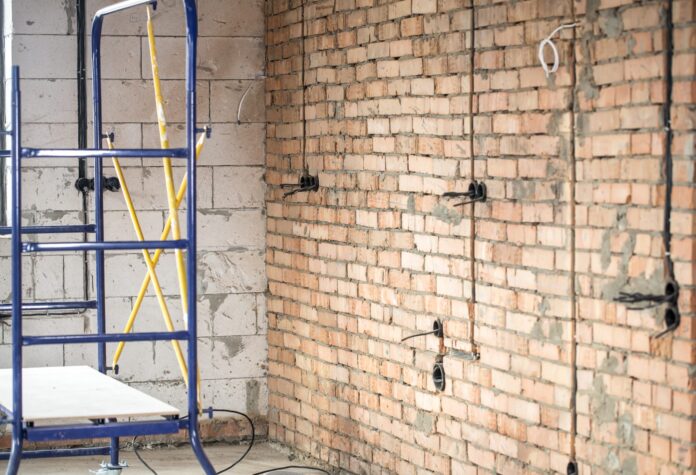

A property is described as unmortgageable when mainstream lenders will not accept it as security in its current state. These properties often appear at auction or are sold below the price of comparable homes, which is why investors look at them. The challenge is funding the purchase when a standard mortgage is not available.
In short: Unmortgageable property is housing that fails a mortgage lender’s criteria, for example because it lacks a kitchen or bathroom, has a short lease or has structural problems. Investors commonly use bridging finance to buy it, carry out the works and then sell or refinance once the property is mortgageable.
What makes a property unmortgageable?
- No working kitchen or bathroom, so it is not considered habitable.
- Structural issues such as subsidence, significant damp or roof failure.
- Short leases, where the remaining term falls below many lenders’ minimums.
- Non-standard construction that some lenders will not accept.
- Title or legal defects, such as missing rights of way.
How is bridging used?
A bridging lender assesses the property as it is, alongside a plan to fix the problem. The usual sequence is purchase, works or legal remedy (such as a lease extension), then a sale or a refinance onto a buy-to-let mortgage. The exit depends on the defect actually being cured, so lenders look for costed schedules of works and professional reports. Many such purchases happen at auction, covered in our auction finance guide.
Risks to plan for
Works can uncover further issues, lease extensions can take longer than expected and costs can rise. A realistic contingency, independent surveys before purchase and a buffer in the loan term all help. Property occupied by the borrower or their family as a home cannot be financed with business-purpose bridging.
Frequently asked questions
What does unmortgageable mean?
It means mainstream mortgage lenders will not accept the property as security in its current condition or legal state.
Can you get a bridging loan on an unmortgageable property?
Often, yes. Bridging lenders assess the property as it is, together with a credible plan to remedy the problem and repay the loan.
Is a property with no kitchen unmortgageable?
Many mortgage lenders will not lend on a property without a working kitchen or bathroom because it is not considered habitable.
How do you exit a bridge on an unmortgageable property?
Usually by completing the works or legal fix and then selling or refinancing onto a standard investment mortgage.
Important information
Ponte Finance PLC is a private lender, not a bank, and is not authorised or regulated by the Financial Conduct Authority. Lending is for business purposes only and is not available to consumers or for property occupied, or to be occupied, by the borrower or a family member as a home. All loans are secured against property, and the property may be repossessed if repayments are not maintained. This article is for general information only and reflects publicly available data at the date of publication. It does not constitute an offer of finance, a forecast, or financial, investment, tax or legal advice. Ponte Finance PLC is registered in England and Wales, company number 15859004, registered office 225 Clapham Road, London SW9 9BE.