
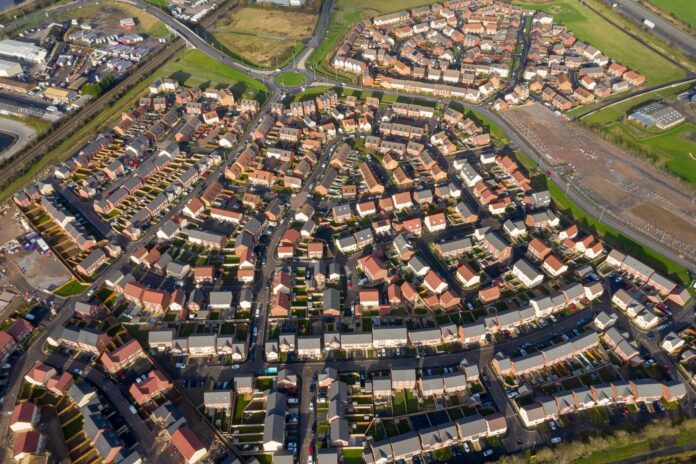

Sites with planning permission can be competitive, and sellers often expect quick completion. Development lenders, meanwhile, usually want detailed designs, costings and a contractor in place before they commit. Bridging finance is frequently used to secure the land first, so the developer can prepare the build-phase funding afterwards.
In short: A bridge on land with planning permission funds the site purchase while the developer finalises the build programme. It is usually repaid by refinancing onto development finance or by selling the site. Lenders value the land with its consent and check that the permission is valid and implementable.
Why does planning permission matter to a lender?
Land without planning is valued largely on its current use, which can be agricultural or nominal. A valid consent can materially change that value. Lenders will review the decision notice, any conditions that must be discharged before work starts, Section 106 obligations or Community Infrastructure Levy liabilities, and the time remaining before the permission expires.
Typical uses
- Completing a site purchase quickly to secure a deal.
- Funding the period while conditions are discharged and tenders are obtained.
- Buying a site with outline consent while reserved matters are submitted.
What is the exit?
The most common exit is a refinance onto development finance once the project is ready to start. An alternative is a sale of the site, sometimes after improving the consent. Lenders want to see that the exit is realistic within the term. Our article on bridging finance for developers discusses how the two types of funding fit together.
Frequently asked questions
Can you get a bridging loan to buy land?
Yes. Bridging is commonly used to buy land, particularly sites with planning permission, before development finance is arranged.
Does planning permission increase land value for lending?
Usually. Lenders value land with a valid, implementable consent differently from land valued only on its current use.
What documents do lenders need for a land purchase?
Typically the planning decision notice, conditions, any Section 106 or CIL details, a valuation and a clear exit plan.
How is a land bridging loan repaid?
Most often by refinancing onto development finance when the build is ready to start, or by selling the site.
Important information
Ponte Finance PLC is a private lender, not a bank, and is not authorised or regulated by the Financial Conduct Authority. Lending is for business purposes only and is not available to consumers or for property occupied, or to be occupied, by the borrower or a family member as a home. All loans are secured against property, and the property may be repossessed if repayments are not maintained. This article is for general information only and reflects publicly available data at the date of publication. It does not constitute an offer of finance, a forecast, or financial, investment, tax or legal advice. Ponte Finance PLC is registered in England and Wales, company number 15859004, registered office 225 Clapham Road, London SW9 9BE.